






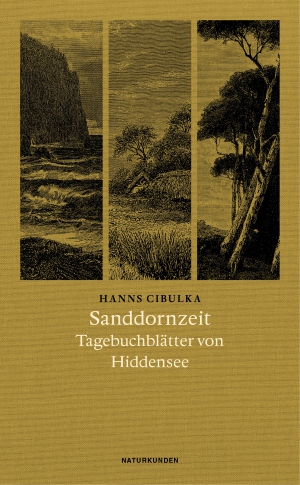
When Hanns Cibulka first visited Hiddensee in the early 1960s, the island remained foreign to him. To him – who had grown up in a small Moravian town in the Old Father Mountains and, as a prisoner of war in Sicily, had come to know the historic, blindingly sunny South – the austere North German landscape initially seemed forbidding and silent. But soon he can no longer resist the pull of this patch of earth and begins to translate its idiosyncratic nature into words in his dense diary entries. In this poetic survey of a summer by the sea, alongside geology and physics, wind spirits and daughters of the mist also find their place; the constant shifts in light and the monochromatic palette are documented just as much as reading and listening experiences, reflections on naturalism and artistic truth, and critiques of civilization and technology. In these diary entries, Hiddensee emerges as a landscape that is both contemporary and mythical – and, not least, as a symbol of what requires protection and deserves preservation.
Hanns Cibulka, born in 1920 in Jägerndorf, Moravia (now Krnov, Czech Republic), was one of the most important writers of the GDR. At the heart of his diary writings lies the phenomenology of southern and northern landscapes and, with it, a powerful warning against environmental destruction. Until his death in 2004, the author – who was also known for his poetry – lived in Gotha, where he directed the Heinrich Heine Library for over thirty years. In addition to several volumes of poetry, he published primarily diary prose.
By the same author(s)
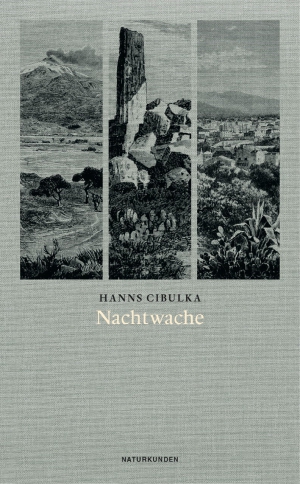
"Miniatures of great beauty and poignancy that rank among the finest examples of German-language landscape prose since Goethe and Stifter." – SWR
